

Coping with Climate Change
- Citizens Information and Development Initiative (CIDI)
- Coping with Climate Change
Coping with Climate Change as a Cause of Conflict in Coastal Communities of West Africa (C7-West Africa)
SUPPORTED BY | European Union and FAIMM |
|---|---|
REGIONAL SCOPE | Niger Delta, Nigeria. |
DURATION | 3 Years |
GOAL | To improve the resilience of coastal communities in Western Africa toward climate change and conflict, and addressing in particular, the inter-linkage between the two dynamics. |
PROJECT OBJECTIVES | |
| |
CONTEXT | |
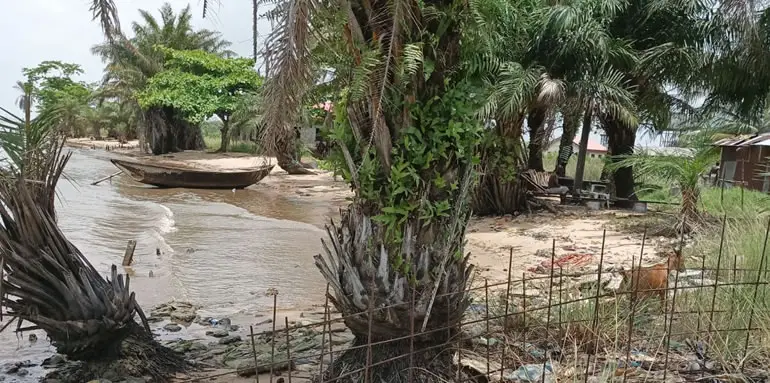
Coastal areas of Western Africa are severely affected by both climate change and conflicts. Across the region, the impact of climate change and the management and exploitation of natural resources is adding a strain to the peace and security environment of the region. In this context, development and security are two sides of the same coin and the displacement of population and the reduction of maritime bio-resources are driving conflicts within and across state lines. The area of the Niger Delta represents the hotspot for conflict related to climate change and environmental degradation. The area was characterized by high levels of violence from the MEND and other militant groups until an amnesty introduced in 2009. Although the current level of militancy has reduced, there are still problems of cultism, piracy, kidnapping and other crimes, to be addressed simultaneously with climate issues, as CC exacerbates the social issues. The most direct and visible effects of climate change for coastal areas in WA are coastal erosion, inundation, floods. Rising sea levels and the emergence of a pattern of unprecedented rainfalls are causing the displacement of several communities in the region. The area of Niger Delta is a prime example of these dynamics. The impact of sea level rise is particularly marked in the Niger Delta, low-lying at about 3 metres above sea level and the land is naturally subsiding. The combined effect of a rise of sea level and soil subsidence could see up to 80 km inland going under water at a one metre net sea level rise. It is estimated that the Niger Delta could lose as much as 15,000 square kilometres of land by the year 2100 with a one metre rise in sea level. Further to this, climate change is impacting coastal communities relying on maritime resources, in particular fishing, by affecting the fishing stock and the access to other maritime resources. CC-driven coastal erosion and development of industrial infrastructure in the region have contributed to a loss of mangrove forests which naturally help to protect shorelines and are spawning grounds for fish. Coastal erosion and flooding combine to remove the topsoil, destroy agriculture, affect freshwater systems and cause a high level of biodiversity erosion. Intrusion of salt water into freshwater systems lead to loss of species and affects access to nutritious foods. Further to this, people whose survival depends on ocean life – are facing another form of projected scarcity: the decline of fish and fisheries as a result of ocean warming and ocean acidification. While ocean warming critically affects marine biodiversity, ocean acidification – caused by the absorption of high levels of carbon dioxide emissions from the atmosphere – is projected to disrupt the ecosystems of fish, shellfish and seaweed. This in turn will have a serious impact on coastal communities who depend on ocean life for their livelihoods. The sum total of these and other impacts, have already led to conflict or are projected to contribute to new conflicts: societal and economic de-structuring, with consequent insecurity of families, is strictly linked to the randomization of ecosystem cycles. In an area where higher sea and atmospheric energies prevent prediction of regular cycles on which traditional planning is based, agriculture and fisheries are exposed to failed harvests thus requiring emergency ways out: first by groups directly involved in these basic activities, but growingly also by all those whose economic activities are viable because of the value added created in rural primary sectors, such as local artisans, commerce and small services providers. In the region illegality – both private like trafficking, or semi-public like extra-State groups who seek to control territories – provides the most immediate way out of increasing poverty. | |